

ONDC Discounts & Offers: How Buyers Save More Than on Traditional Marketplaces
Compare ONDC vs traditional marketplaces on seller commissions, pricing, discounts, and savings. See how ONDC can help sellers offer more competitive prices.
Quick Answer
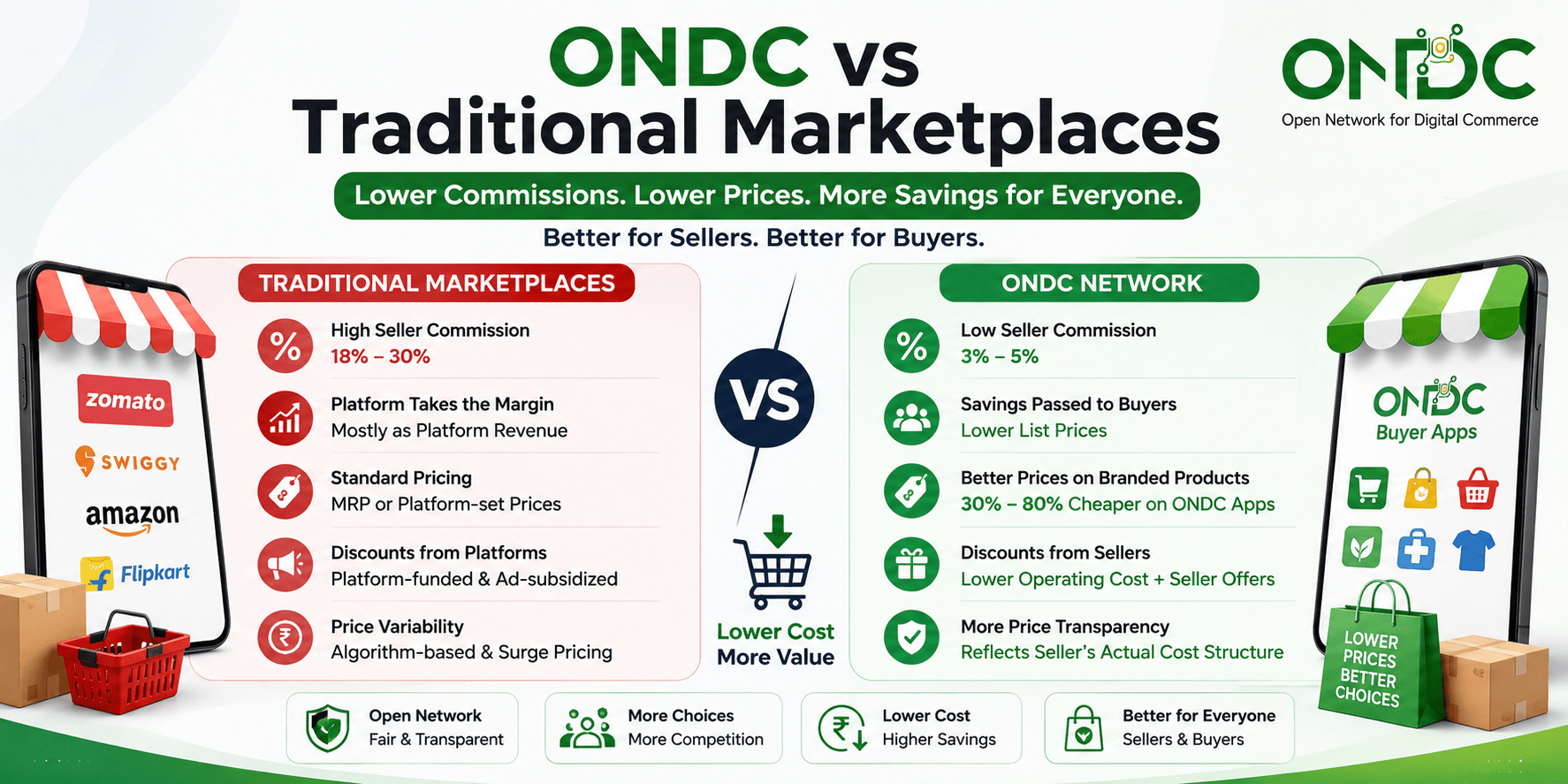
Buyers often save more on ONDC than on traditional marketplaces because ONDC's network structure charges sellers and restaurants dramatically lower commissions — typically 3-5% versus 18-30% on closed platforms like Swiggy, Zomato, Amazon, or Flipkart. That cost difference frequently gets passed on as lower prices: the same branded products and restaurant menu items have been listed 30-80% cheaper on ONDC-enabled buyer apps compared to their listings on traditional aggregators.
It sounds almost too simple: the same McDonald's burger, the same branded skincare product, priced lower just because you ordered it through a different app. But the discount isn't a marketing gimmick — it comes directly from how ONDC is structured. Sellers and restaurants pay a fraction of what they'd pay on a closed marketplace, and a meaningful share of that saved margin shows up in the price you see at checkout. Here's how it actually works, and where you'll notice it most.
The Numbers Behind ONDC's Lower Prices
A few data points that explain why ONDC pricing often beats traditional marketplaces:
- Food delivery is the clearest example: ONDC-enabled restaurant listings typically carry a 3-5% commission, compared to an 18-30% commission on Swiggy and Zomato — and that gap has directly translated into menu items from well-known chains being listed 30-80% cheaper on ONDC buyer apps than on the traditional aggregators.
- On a ₹500 order, a restaurant selling through ONDC keeps roughly ₹475-485, versus ₹350-390 through a traditional aggregator — a difference of ₹85-135 per order that sellers can choose to pass on as lower prices, better offers, or simply healthier margins that keep them competitive.
- ONDC has scaled fast enough for this pricing gap to matter at real volume — the network has crossed 5 lakh+ registered sellers and is live in 600+ cities, with reports of over 12 lakh transactions processed daily across categories.
The same logic extends beyond food delivery — anywhere ONDC replaces a high-commission closed marketplace with a lower-cost open network, sellers have more room to price competitively or fund direct discounts.
Why ONDC Can Offer Lower Prices in the First Place
- Lower platform commission — ONDC itself charges no platform fee, and seller apps built on the network typically charge far less than closed marketplaces, which directly lowers a seller's cost of doing business
- No single company subsidizing 'fake' discounts — on closed platforms, some sale-event discounts are funded by inflating the base price first; ONDC's lower baseline commission structure means list prices more often reflect the seller's real cost, rather than a price built to be marked down later
- Sellers keep more control over their own pricing and promotions, since they're not bound to one platform's specific discounting rules or featured-placement requirements
- More sellers competing for the same buyer app traffic — because ONDC seller registration is cheaper and less restrictive, more sellers list the same product category, which naturally pushes prices down through competition
Traditional Marketplace vs ONDC — Where the Savings Come From
Where Buyers Notice the Difference Most
- Food delivery — branded restaurant chains often show the widest gap, since aggregator commissions are highest in this category
- Grocery and daily essentials — lower seller commissions mean local kirana stores and FMCG brands can price closer to their actual cost, without a large marketplace cut built in
- Fashion and D2C brands — smaller, independent brands especially benefit from lower fees, often passing savings on directly rather than funding large ad-driven "sale" events
- Regional and local sellers — businesses that couldn't previously afford marketplace commission structures can now compete on price without being squeezed out by platform fees
How to Actually Find the Best Deals on ONDC
- Compare the same product or restaurant across a couple of different ONDC buyer apps — pricing can vary slightly between buyer apps even for the same seller, since each buyer app builds its own experience on the network
- Check listed certifications and seller details before assuming a lower price means lower quality — most price gaps come from the commission structure, not the product itself
- Pay via UPI where possible, since some sellers offer marginally better pricing or faster processing on prepaid orders compared to cash on delivery
- If a deal seems unusually good, check the seller's disclosed return and cancellation policy first — understanding how returns and refunds work on ONDC before you buy avoids surprises later
Is the Discount Always Real?
Mostly yes, but it's still worth a quick sanity check. Because ONDC is a network of independent sellers and buyer apps rather than one company setting all prices, occasional inconsistencies exist — a seller might list a higher base price on one buyer app than another. The advantage for buyers is that comparing prices across ONDC buyer apps is easy, and if something goes wrong with an order, the same network-wide grievance protections apply regardless of which buyer app or seller you used, covered in our guide on whether ONDC buyer apps are safe.
Frequently Asked Questions
Why are prices lower on ONDC compared to Swiggy, Zomato, Amazon, or Flipkart?
Primarily because ONDC-enabled sellers pay significantly lower commissions — often 3-5% versus 18-30% on traditional closed marketplaces — and a portion of that savings is frequently passed on to buyers as lower prices.
Are ONDC discounts real, or inflated first and then marked down?
Most ONDC pricing reflects a genuinely lower cost structure rather than an inflate-then-discount tactic, since sellers aren't absorbing the same high commission that closed marketplaces build into their pricing.
Which product categories see the biggest price difference on ONDC?
Food delivery shows the clearest gap, with branded restaurant items sometimes listed 30-80% cheaper than on Swiggy or Zomato, though grocery, fashion, and D2C categories also benefit from lower seller commissions.
Do all sellers on ONDC offer lower prices?
Not universally — pricing is still set by each individual seller. The lower commission structure creates room for competitive pricing, but it's still worth comparing listings across buyer apps rather than assuming every ONDC listing is the cheapest option.
Is it safe to buy from an ONDC listing just because it's the cheapest option?
Price alone shouldn't be the only factor — check the seller's disclosed terms, certifications, and return policy first, the same way you would on any marketplace, regardless of how good the price looks.
Shop Smarter Across the ONDC Network
The pricing advantage on ONDC comes down to structure, not gimmicks — lower seller commissions genuinely create room for better prices. Sellers on platforms like COSTBO are able to price competitively precisely because they're not absorbing the same commission overhead closed marketplaces charge.
About Costbo
Founded by Mr. Eswar and Mr. Ananth, with nearly 20 years of technology experience, Costbo is a leading ONDC seller platform powering India’s open digital commerce ecosystem. Costbo is among the first ONDC 1.2.0 certified seller platforms, enabling brands and sellers to sell on ONDC with fast onboarding, lower costs, and full operational control.
Ready to grow on ONDC? Start your journey with Costbo today.
Related Reading
- ONDC vs Amazon & Flipkart: What's Different for Sellers
- ONDC Buyer App Payment Methods: UPI, COD, Wallets Explained
- How Returns, Refunds & Cancellations Work on ONDC Buyer Apps
References
• ONDC for Restaurants: Cut Commission from 30% to 3% — DineOpen
• Zomato & Swiggy Commission Rates 2026: Full Breakdown — MenuManager
• ONDC vs. Zomato-Swiggy: Stirring in the Food Delivery Space — Agro & Food Processing
• The Future of Food Delivery in India: ONDC vs. Swiggy and Zomato — Medium
Related post
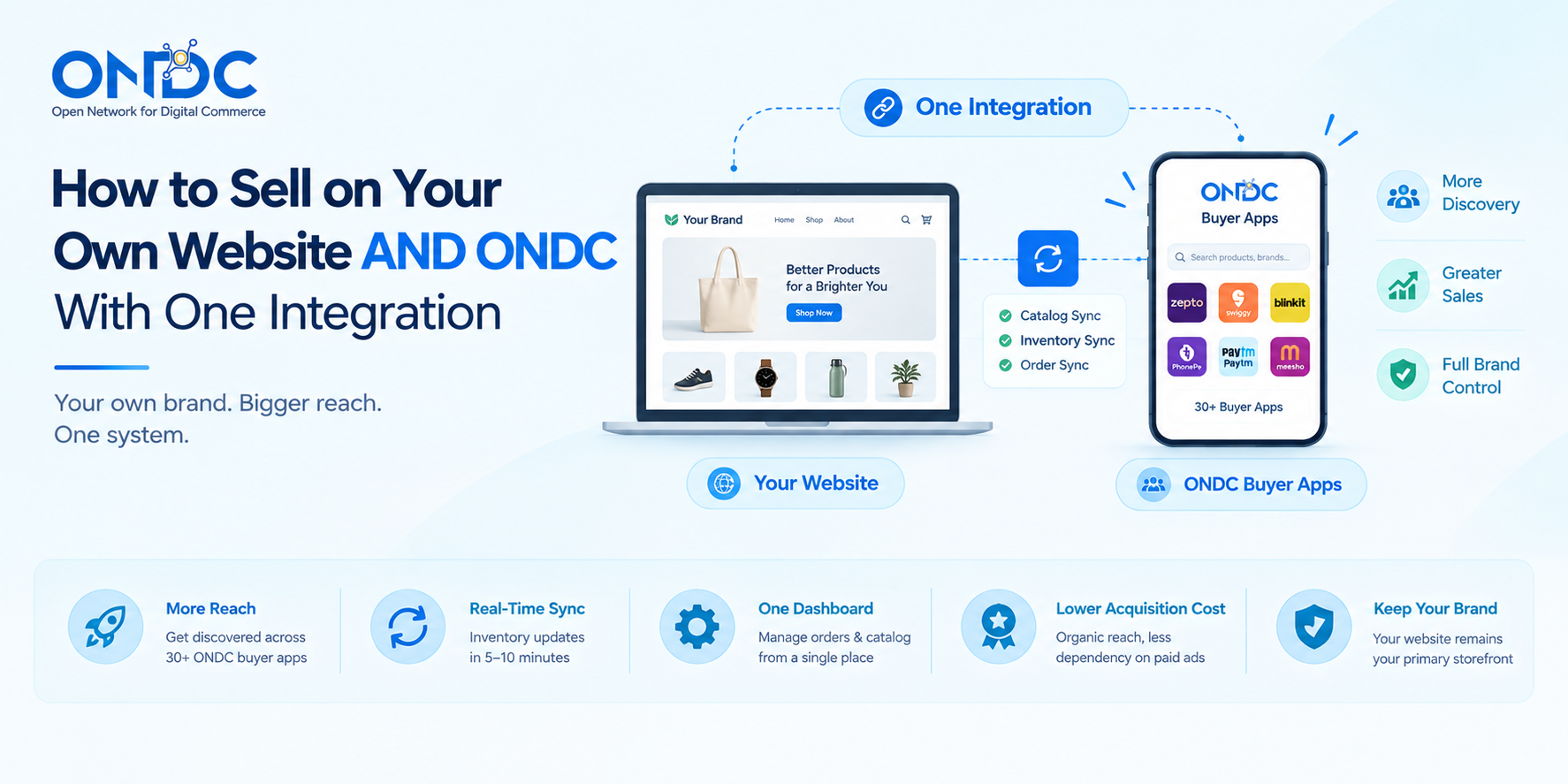
How to Sell on Your Own Website AND ONDC With One Integration
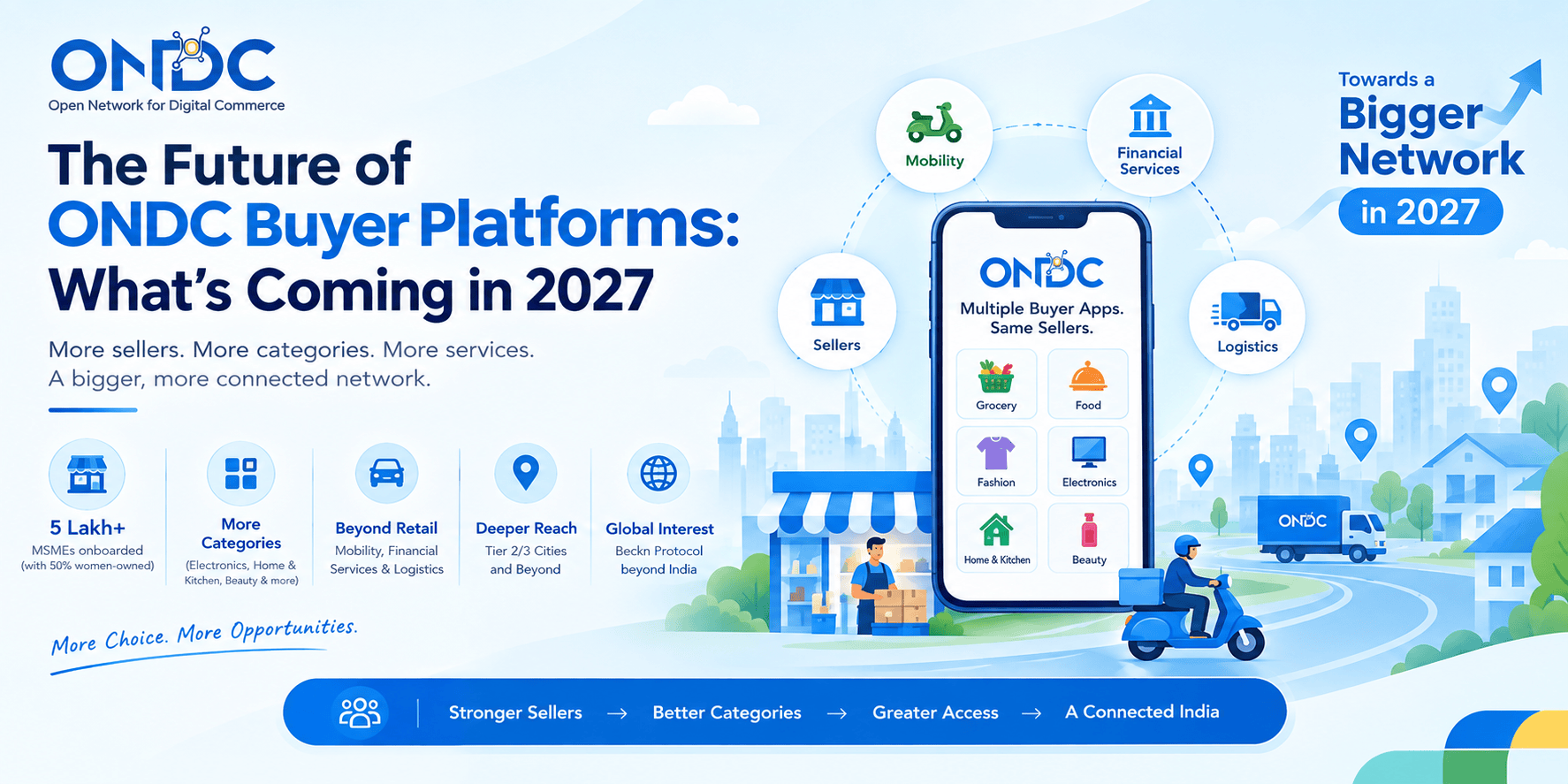
Future of ONDC Buyer Platforms: What's Coming in 2027
.png)
How Logistics & Delivery Partners Plug Into ONDC Buyer Platforms
.png)
Sounds like COSTBO might be the right choice for your business?
Get started by registering your business today! If you have any questions, we're here to help. Our team will reach out to you with detailed information about our offerings, product features, and a demo